National Parks
Discover Itineraries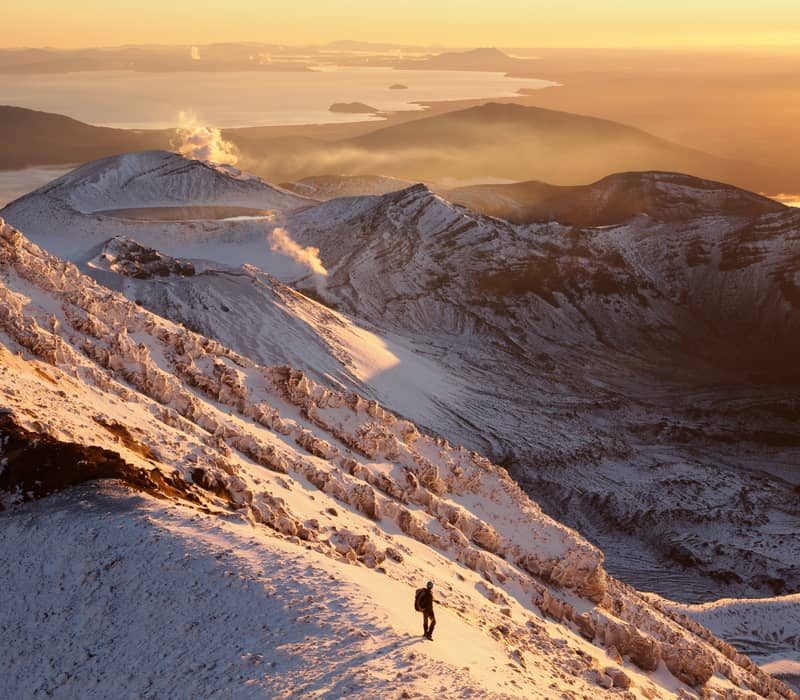
Where New Zealand protects its wildest places
Nearly a third of New Zealand is protected as national park or conservation land.
These are the country’s most dramatic environments. Fiords carved by glaciers. Active volcanic plateaus. Alpine valleys beneath the highest peaks. Remote forested ranges where roads do not pass through.
National parks are not roadside stops. They require time, distance awareness, and weather flexibility. When sequenced thoughtfully, they become the defining anchors of a New Zealand journey.
Popular National Park Tours
Popular National Parks
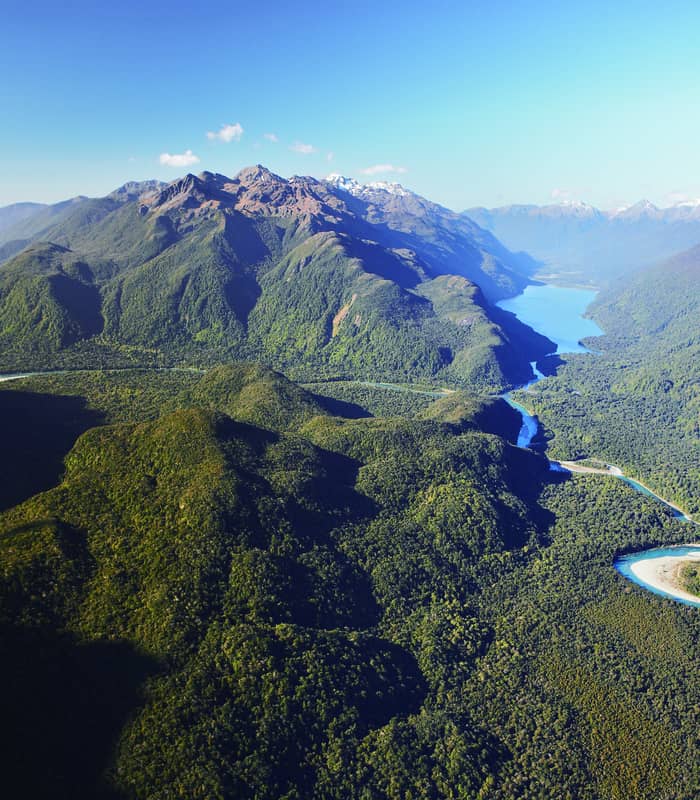
Mount Aspiring National Park
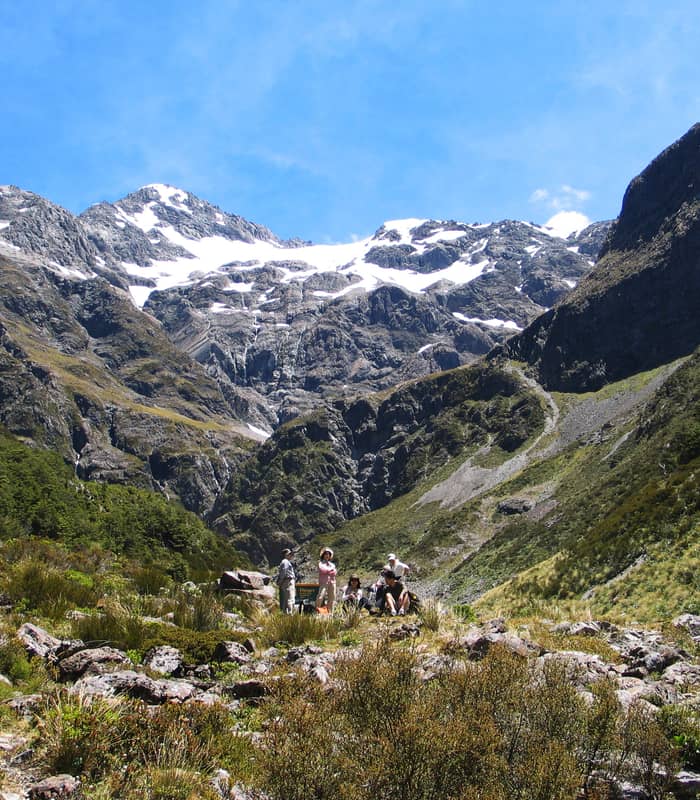
Arthur’s Pass National Park
Westland Tai Poutini National Park
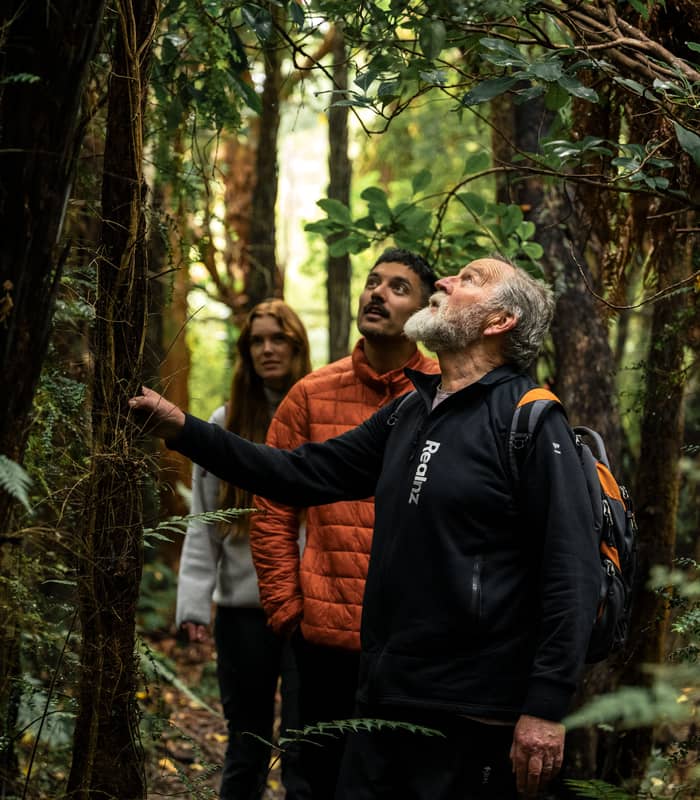
Rakiura National Park
Bucket List New Zealand National Park Experiences
Milford Sound Cruise
Scenic Glacier Flight
Tongariro Alpine Crossing
Doubtful Sound Overnight Cruise
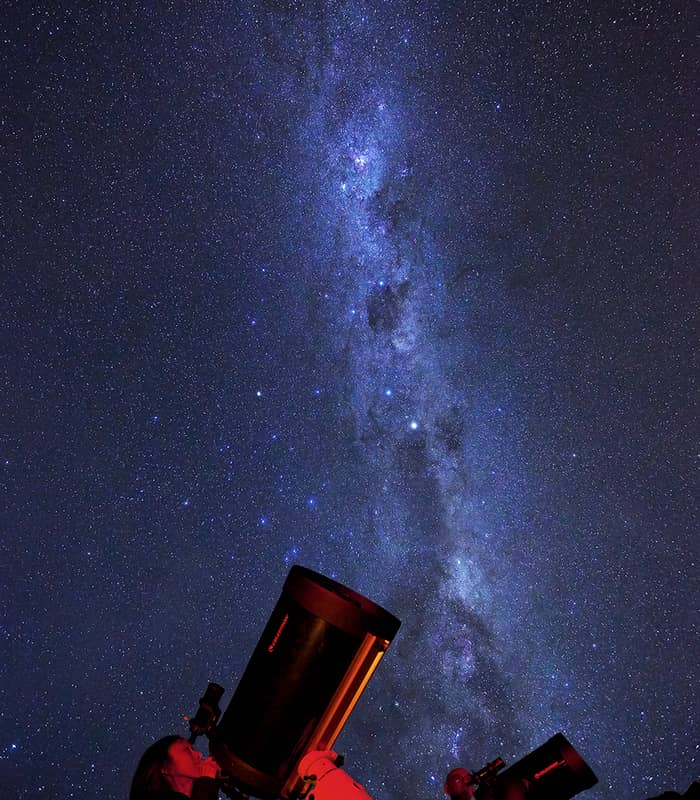
Stargazing
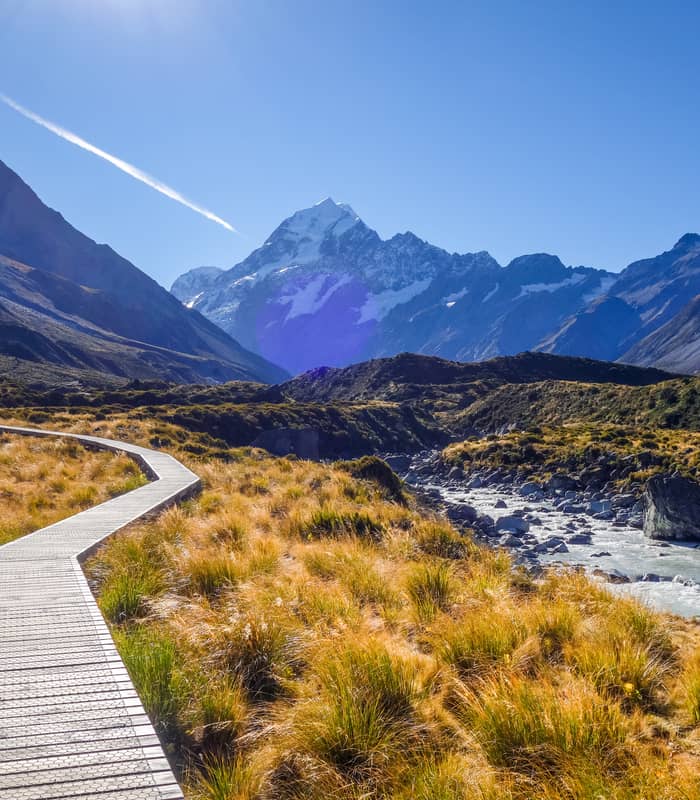
Hooker Valley Track
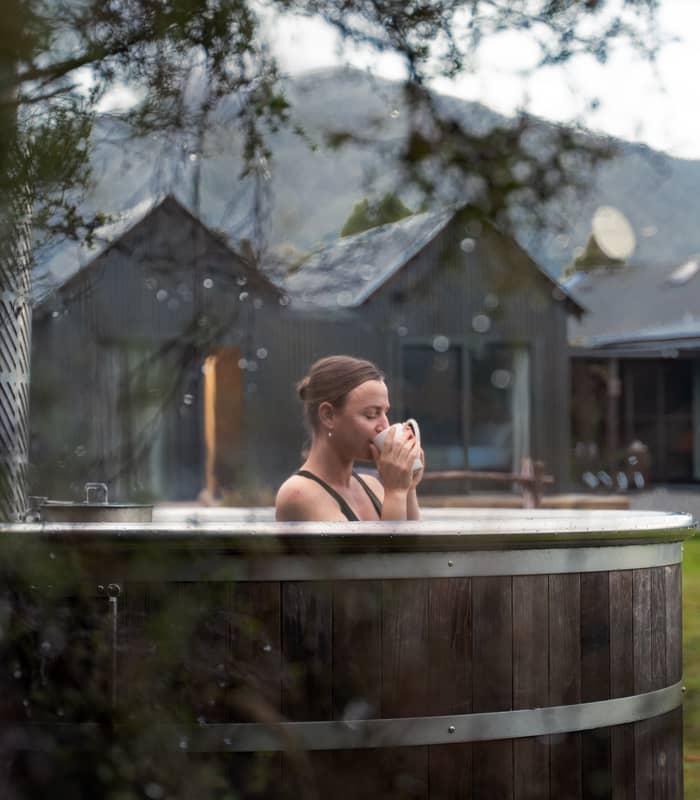
Hollyford Wilderness Experience
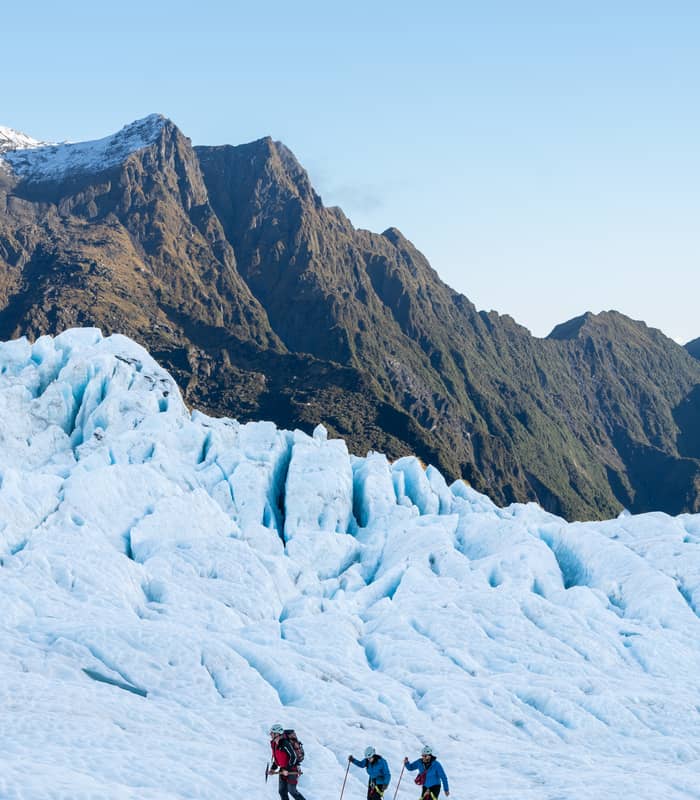
Glacier Heli-Hike
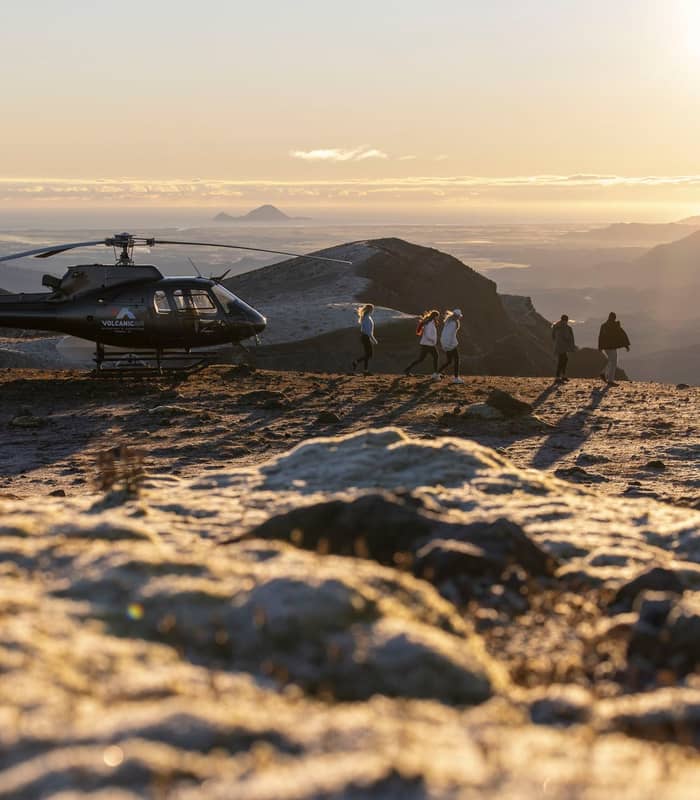
Volcanic Scenic Flights
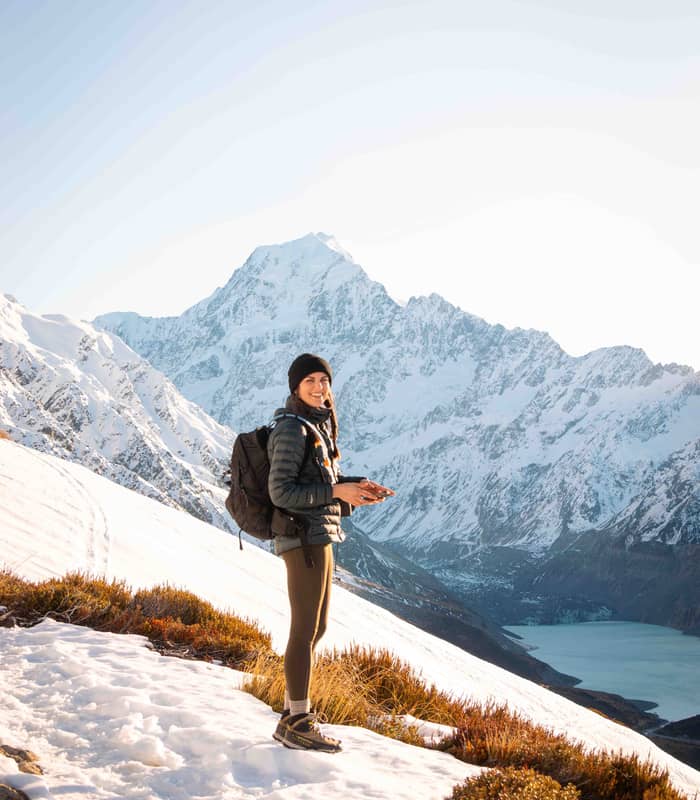
Sealy Tarns (Stairway to Heaven)
Guided Hikes
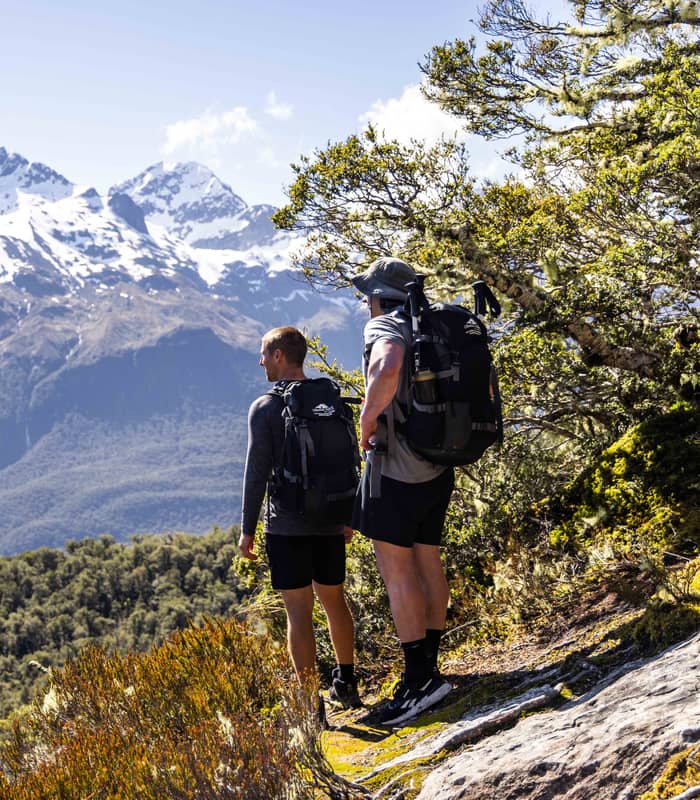
Routeburn Track
Guided Heli-Hikes
Glacier Lake Kayaking
Abel Tasman Coast Track
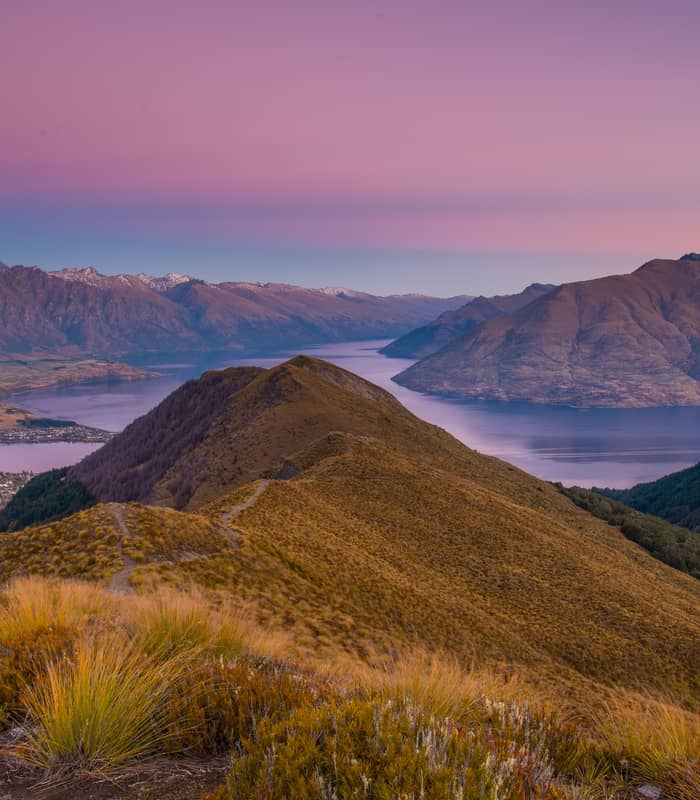
Ben Lomond Track
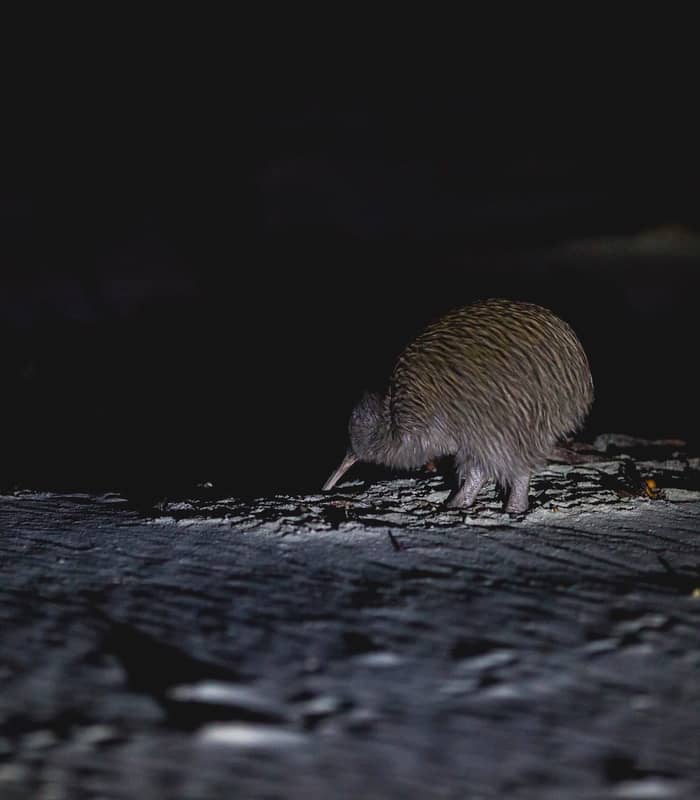
Bird Watching
Mount Aspiring National Park
Taranaki Falls
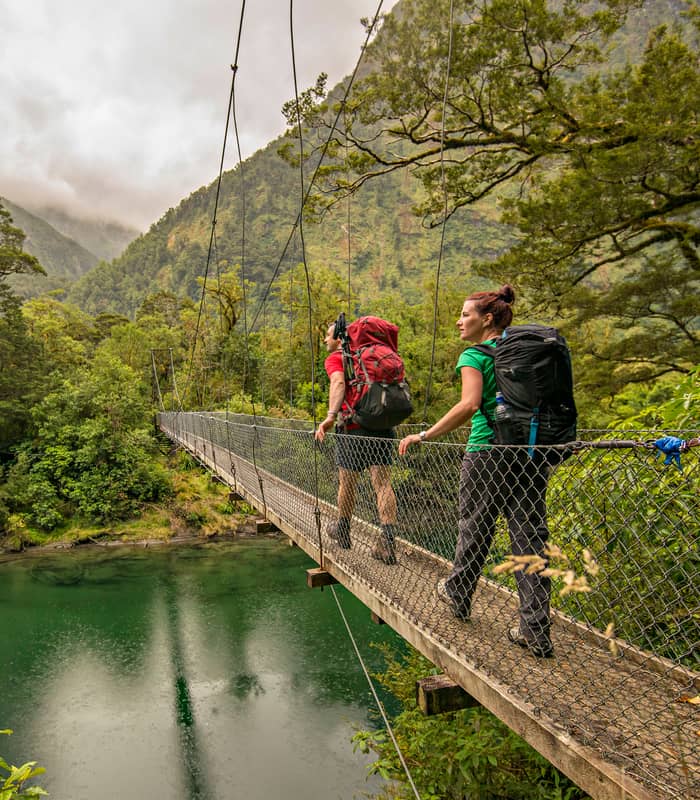
Milford Track
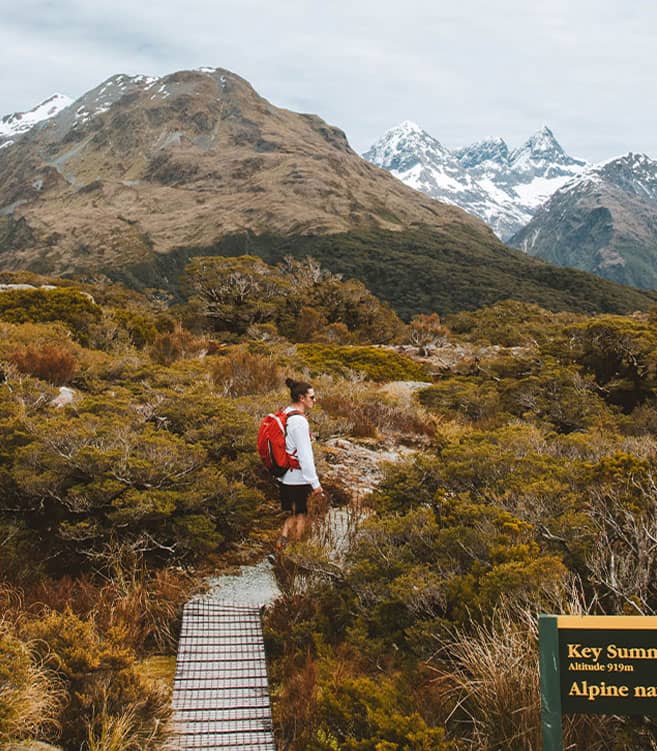
Kepler Track
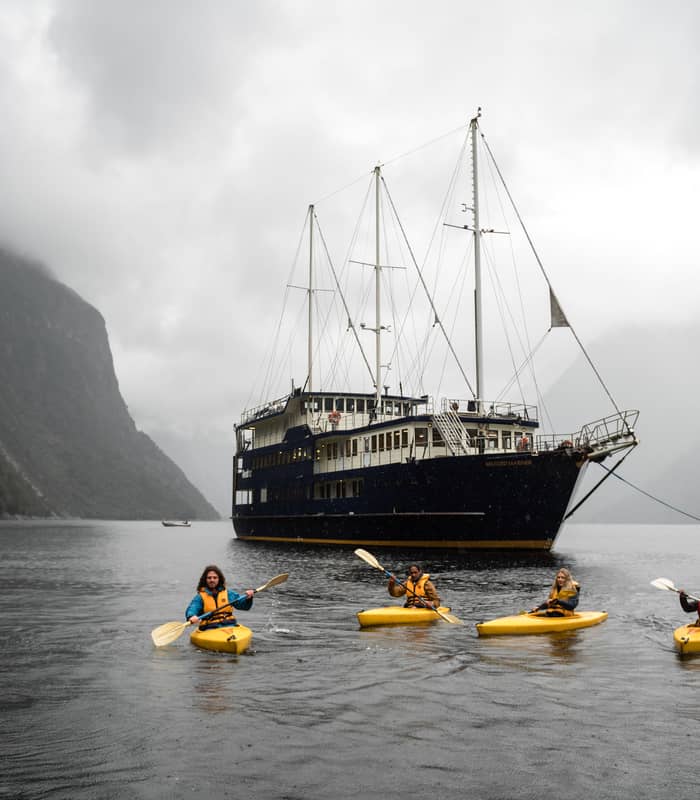
Kayaking
Wildlife Spotting
Plan your national park journey with locals who know these landscapes
National parks require more than simple inclusion on a map.
Driving distances can be longer than expected. Weather shifts quickly in alpine regions. Some experiences depend on early departures or overnight positioning nearby.
We design tailor-made itineraries that anchor your journey around key parks, allowing adequate time and the right base location. The result is immersion rather than a brief scenic stop.
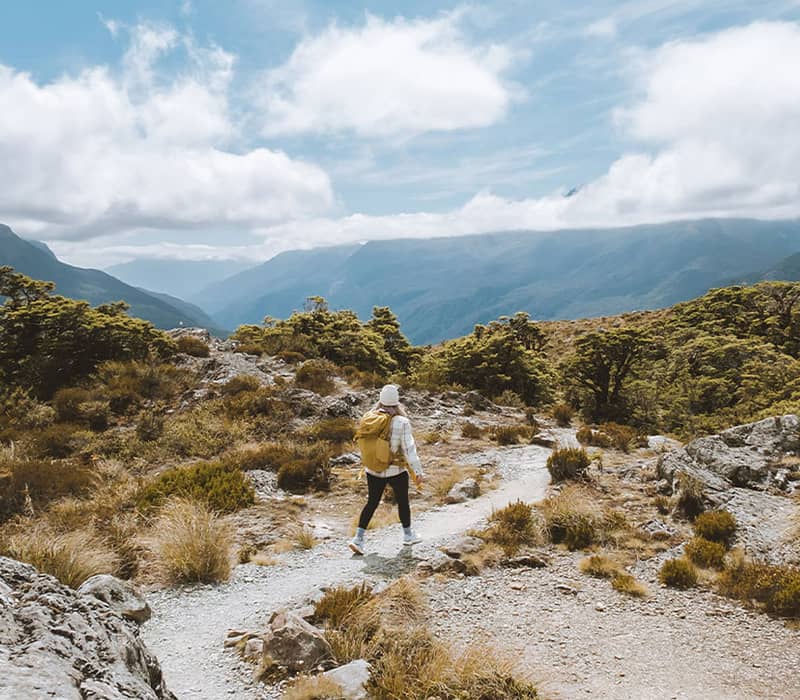
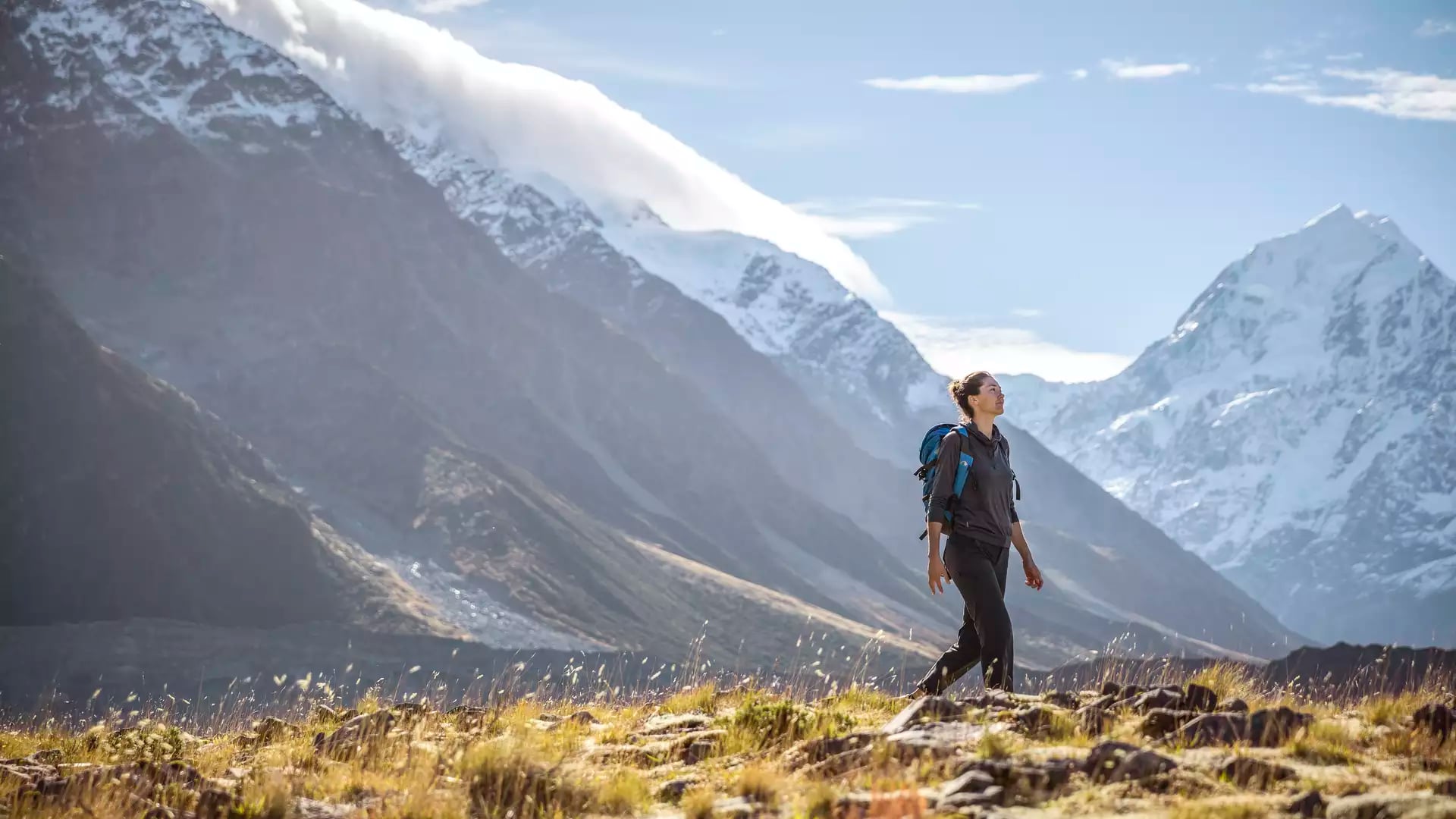
Add meaningful experiences to your New Zealand journey
Best National Parks in New Zealand
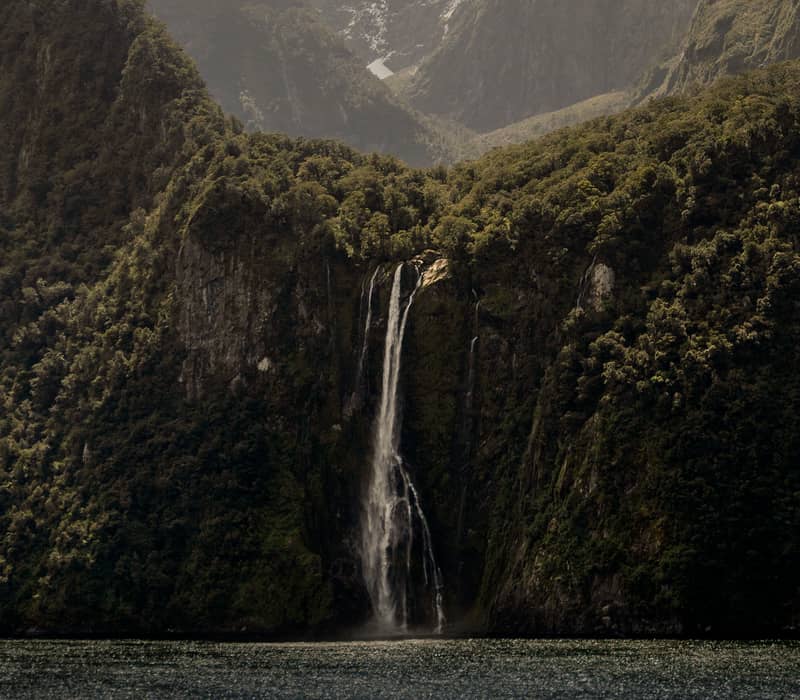
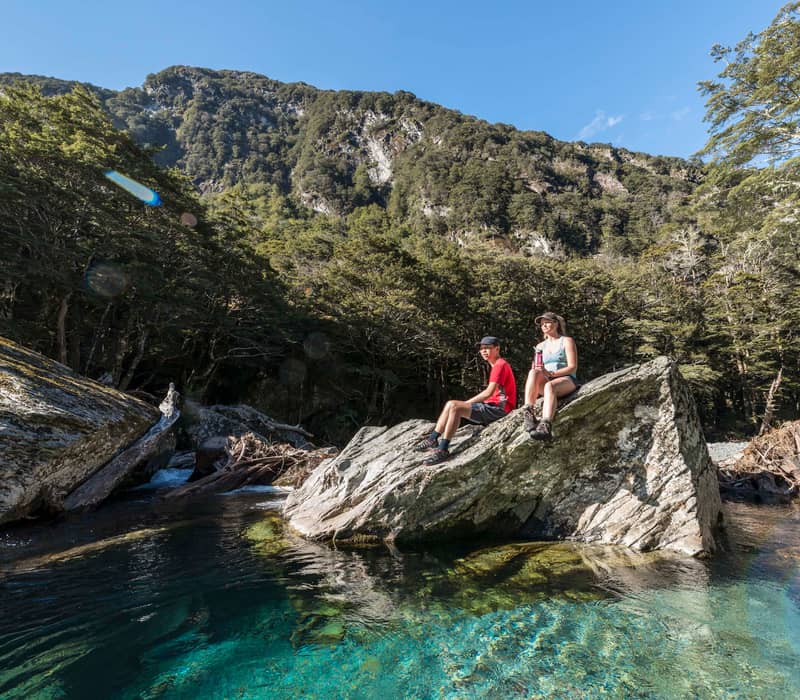
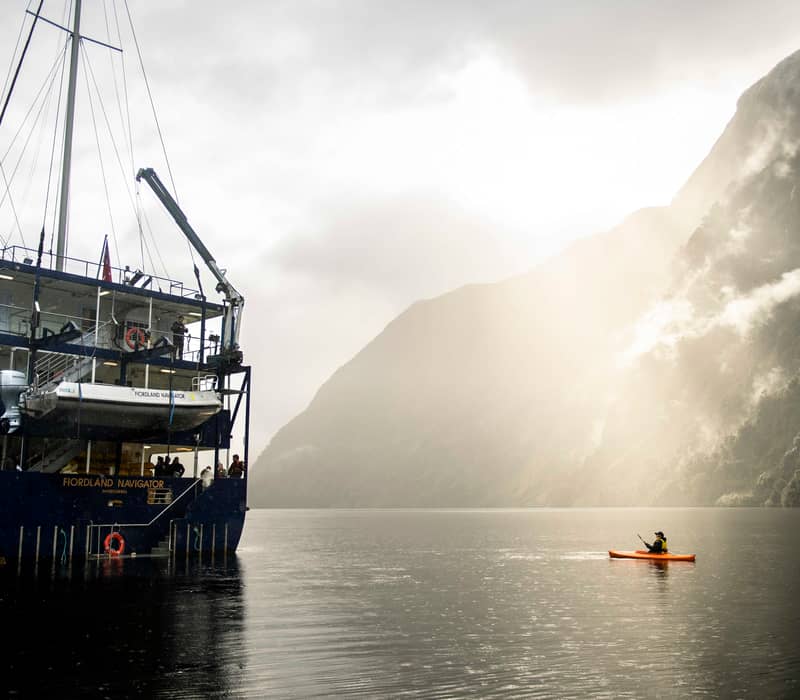
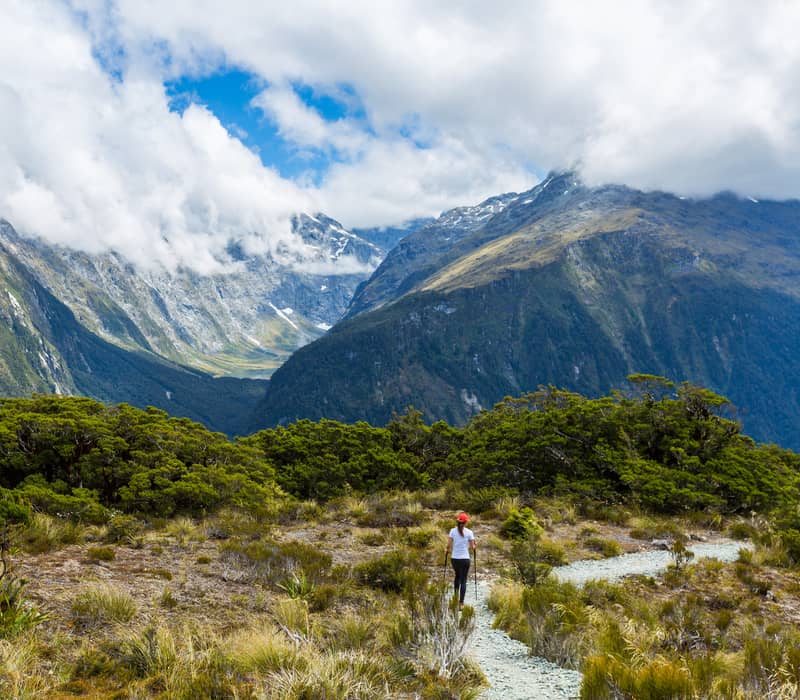
Fiordland National Park
Remote and vast, Fiordland encompasses Milford Sound, Doubtful Sound, and extensive wilderness beyond the road network. It rewards travellers who allow time in Te Anau before entering the park.
Best time to visit
Spring
September - November
Avg Temp: 5 – 15 ℃ / 41 – 59 ℉
Summer
December - February
Avg Temp: 10 – 20 ℃ / 50 – 68 ℉
Autumn
March - May
Avg Temp: 7 – 17 ℃ / 45 – 63 ℉
Winter
June - August
Avg Temp: 1 – 10 ℃ / 34 – 50 ℉
Tongariro National Park
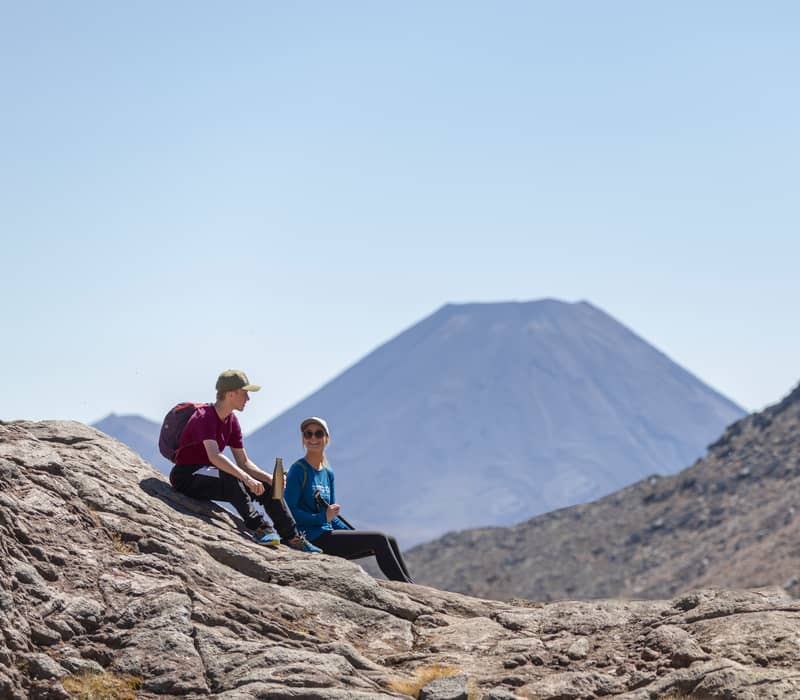
Volcanic peaks and alpine crossings define Tongariro. The park works best as a two-night stay to allow flexibility around weather conditions.
Best time to visit
Spring
September - November
Avg Temp: 2 - 14 ℃ / 36 - 57 ℉
Summer
December - February
Avg Temp: 7 - 20 ℃ / 45 - 68 ℉
Autum
March - May
Avg Temp: 3 - 16 ℃ / 37 - 61 ℉
Winter
June - August
Avg Temp: -3 - 10 ℃ / 27 - 50 ℉
Aoraki / Mount Cook National Park
Glacial lakes, braided rivers, and alpine peaks dominate this central South Island park. Clear weather dramatically enhances visibility, making flexibility valuable.
Spring
September - November
Avg Temp: 2 – 14 ℃ / 36 – 57 ℉
Summer
December - February
Avg Temp: 7 – 20 ℃ / 45 – 68 ℉
Autumn
March - May
Avg Temp: 3 – 16 ℃ / 37 – 61 ℉
Winter
June - August
Avg Temp: -6 – 8 ℃ / 21 – 46 ℉
National Parks FAQs
National park travel requires awareness of distances, weather conditions, and how best to structure time in each region.
Two to three parks often provide strong contrast without excessive driving.
Yes, though alpine regions are weather-dependent and may require flexibility in winter.
Entry to most national parks is free, though specific guided activities or hut stays may require bookings.
Two nights typically allow time for weather windows and at least one immersive experience.