Discover
Tongariro National Park
Where volcanic peaks rise above alpine plateaus and ancient lava fields carve through open terrain. Tongariro National Park is elemental, expansive, and unlike anywhere else in New Zealand
View tours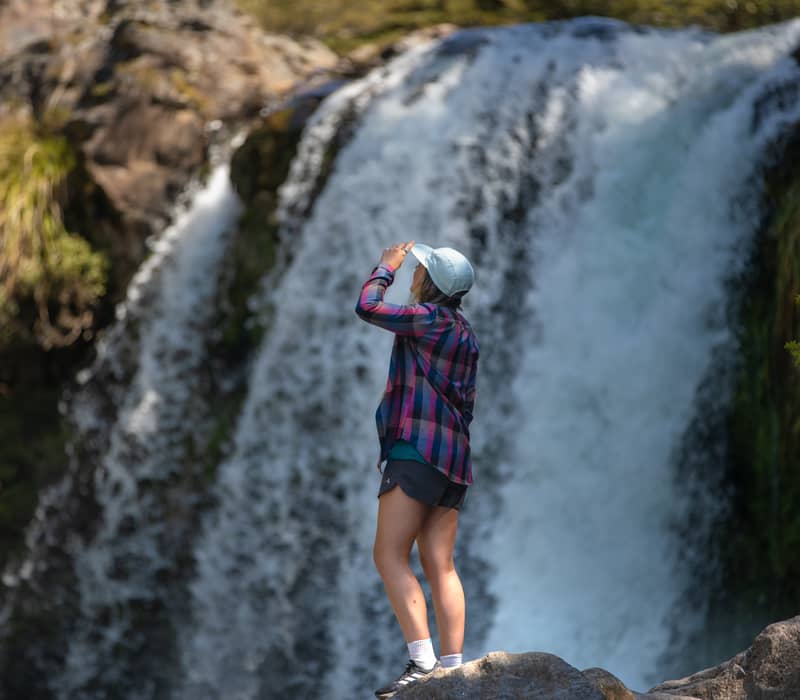
An alpine landscape shaped by fire
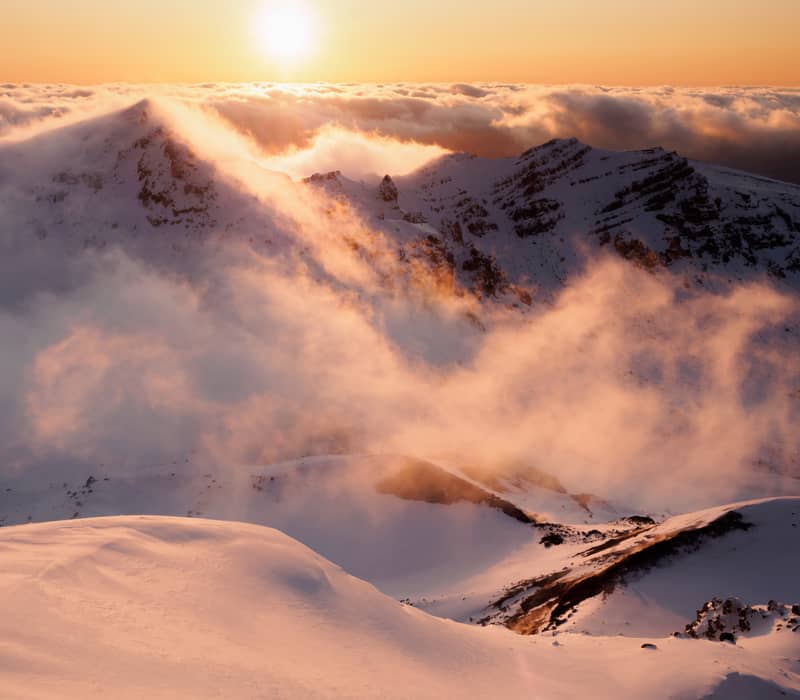
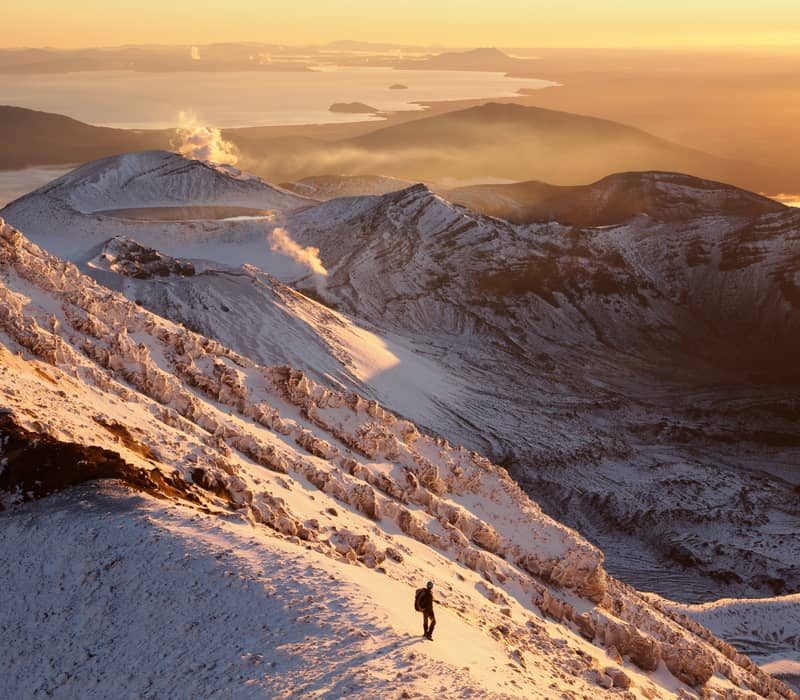
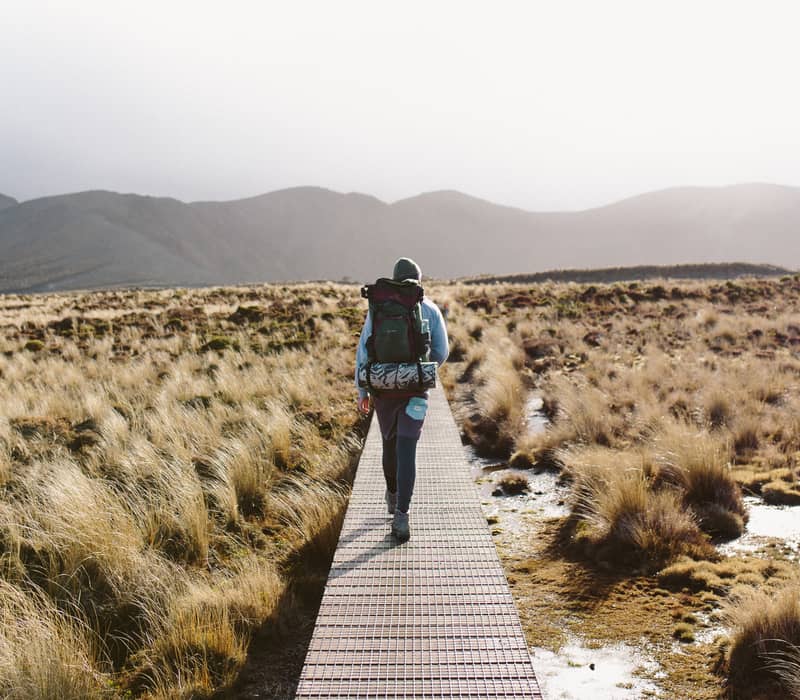
Tongariro National Park sits high in the central North Island, defined by three volcanic peaks: Tongariro, Ngauruhoe, and Ruapehu. This is a landscape of contrast. Emerald lakes sit within old craters, tussock plains stretch wide beneath shifting cloud, and snow settles across ridgelines in winter.
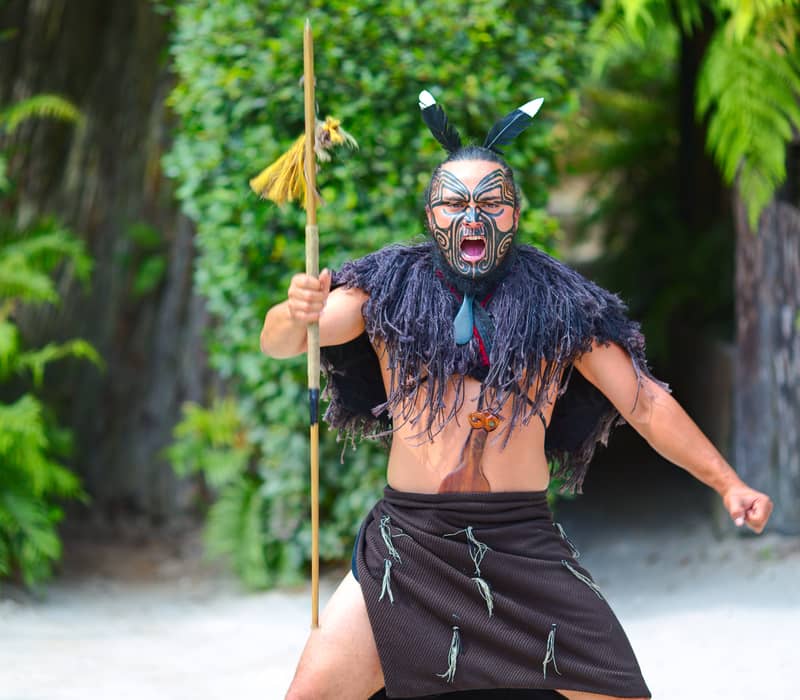
It is New Zealand’s oldest national park and holds dual World Heritage status for both natural and cultural significance. For Māori, these mountains are sacred. For travellers, they offer some of the country’s most distinctive walking terrain. Tongariro is not about comfort or coastline. It is about scale, altitude, and atmosphere. Sequenced carefully within a North Island route, it provides dramatic contrast to lakeside Taupō or geothermal Rotorua.
Expert travel consultants

Talk to our expert travel specialists
Contact usPopular road trips that include Tongariro National Park
Where volcanic peaks define the landscape
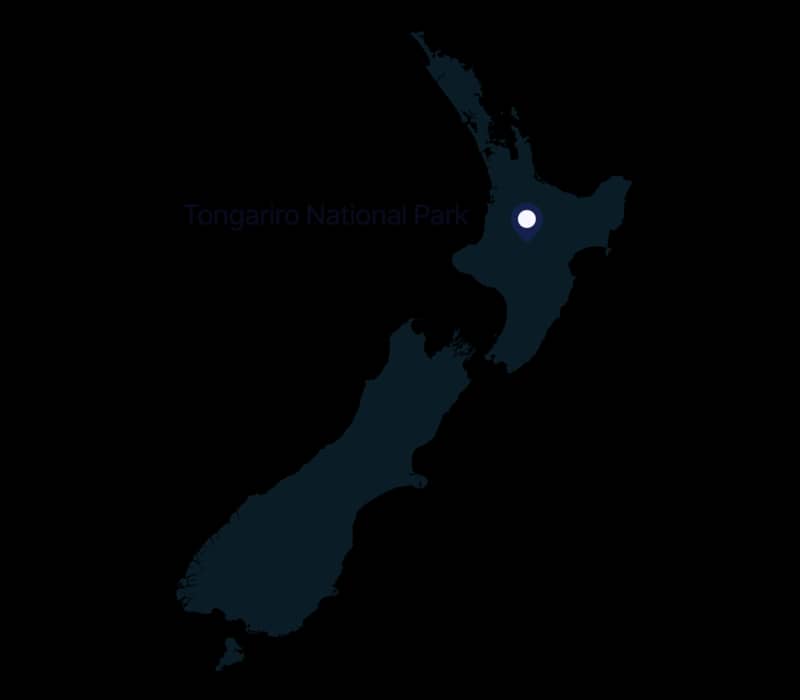
Tongariro National Park lies south of Taupō and north of Whanganui, approximately four and a half hours by road from Wellington. Whakapapa Village forms the main base within the park, while smaller settlements such as National Park Village provide additional accommodation.
Because weather conditions in alpine regions can shift quickly, positioning your stay thoughtfully matters. Many travellers base themselves near the Tongariro Alpine Crossing departure points or in Whakapapa to reduce early-morning transfers. The park is best approached as a two-night stay, allowing flexibility should weather affect planned walks.
The Best of Tongariro National Park
Tongariro Alpine Crossing
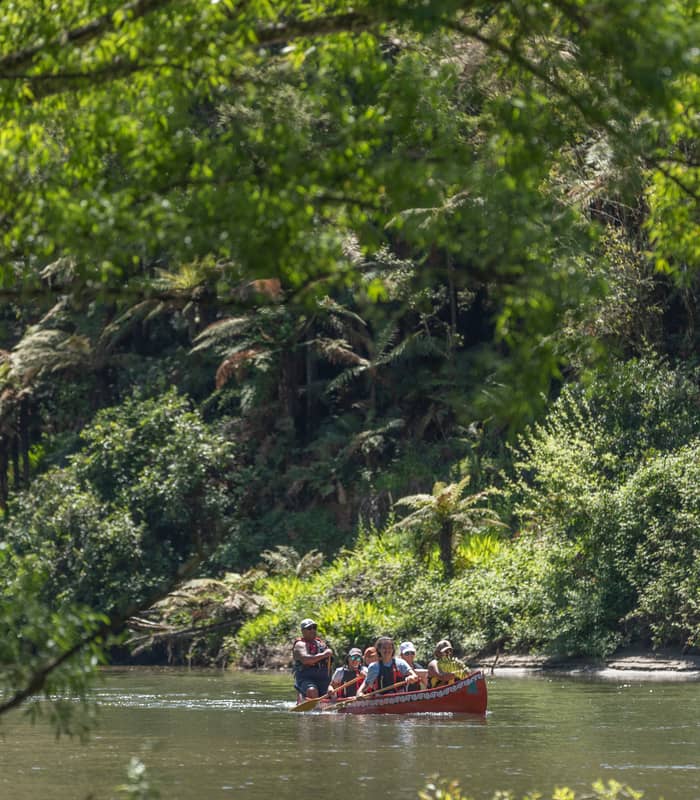
Canoeing on Whanganui River
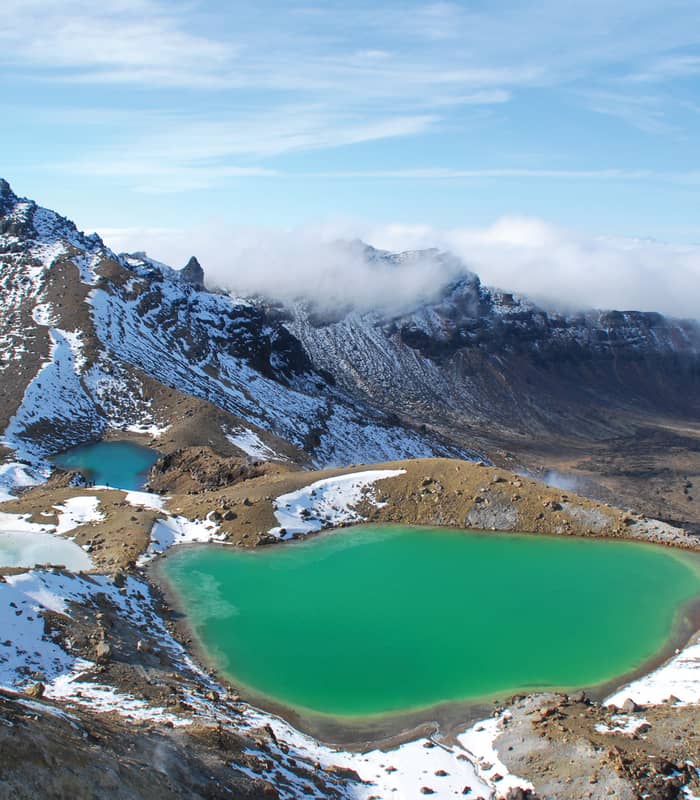
Tongariro Crossing Emerald Lakes
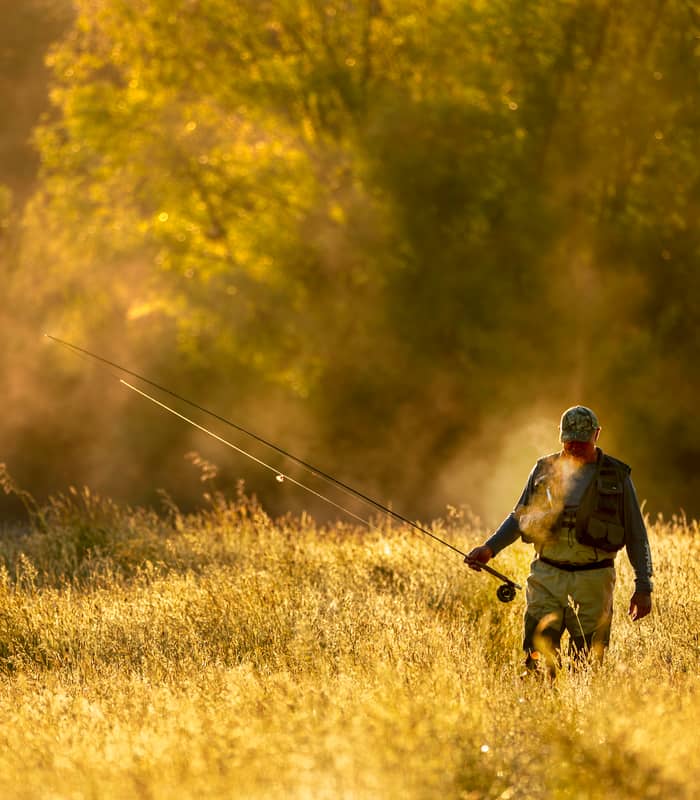
Fly Fishing
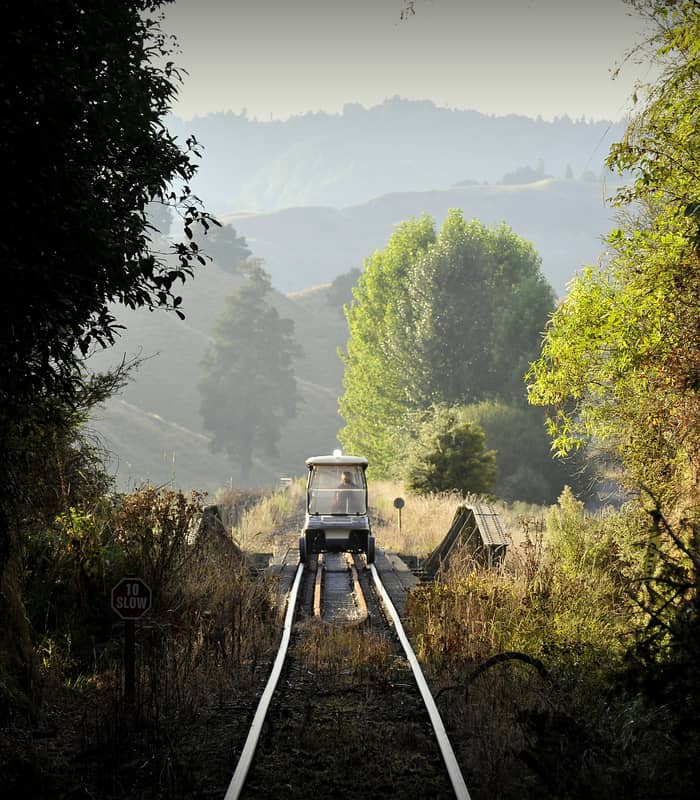
Forgotten World Adventures
Mount Ruapehu Ski Field
Okahune Carrot Park
Taranaki Falls
Bridge to Nowhere
Mountain Biking
Mount Ruapehu
Whakapapa Skifield Hike (Summer)
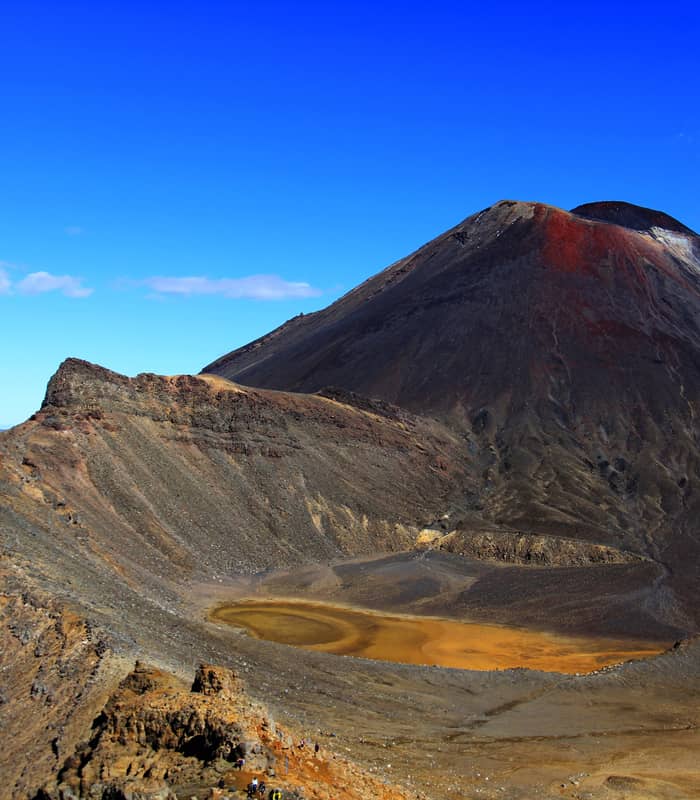
Mt Ngauruhoe
Why travel with New Zealand Self Drive Tours
New Zealand rewards those who move at their own pace. The difference is making sure the route truly works.
Self-drive journeys here are about more than hiring a car. They depend on real drive times, smart sequencing, and bases that reduce backtracking. With deep local knowledge and on-the-ground support, we design itineraries that flow naturally from region to region, with the right balance of scenery, experiences, and breathing room.
Every leg is considered. Every join is checked. If plans shift, you have one accountable team behind you. The result is a road trip that feels effortless, independent, well-paced, and supported from start to finish.
Alpine village or park-edge retreat
Accommodation within Tongariro National Park ranges from lodges in Whakapapa Village to boutique retreats on the park’s edge. Staying inside the park offers immediate access to walking tracks and mountain views. Choosing nearby National Park Village provides quieter surroundings and additional dining options.
Because many activities begin early in the morning, proximity matters. A well-positioned base reduces shuttle transfers and ensures flexibility if weather shifts. When sequenced carefully, your stay in Tongariro becomes purposeful rather than weather-dependent.
We design your entire
New Zealand journey, from arrival through to farewell.
Key info about Tongariro National Park
Best times to experience Tongariro National Park
Tongariro National Park is strongly seasonal. Summer offers the most stable conditions for the Tongariro Alpine Crossing, with long daylight hours and clearer trails. Autumn often brings settled weather and fewer visitors. Spring can be variable, with lingering snow at higher elevations. Winter transforms the park into a snow-covered alpine environment, with skiing and snow play replacing long-distance hiking.
Careful planning around weather forecasts is essential, particularly for high-altitude walks.
Highlighted tour:
North Island SpectacularBest times to visit
Spring
September - November
Avg Temp: 2 - 14 ℃ / 36 - 57 ℉
Summer
December - February
Avg Temp: 7 - 20 ℃ / 45 - 68 ℉
Autumn
March - May
Avg Temp: 3 - 16 ℃ / 37 - 61 ℉
Winter
June - August
Avg Temp: -3 - 10 ℃ / 27 - 50 ℉
Getting to Tongariro National Park
Tongariro National Park is primarily accessed by road, positioned between Taupō and Whanganui. While there is no major airport within the park, nearby regional airports provide access.
Driving times from cities
Auckland to Whakapapa
4 hours 30 minutes
Rotorua to Whakapapa
2 hours
Wellington to Whakapapa
4 hours 30 minutes
Taupō to Whakapapa
1 hour
Tongariro National Park FAQs
Planning time in Tongariro National Park often involves questions about weather, fitness levels, and seasonal conditions. Below are answers to the most common considerations.
Two nights allows flexibility around weather for the Tongariro Alpine Crossing or alternative shorter walks.
It is considered a challenging full-day hike requiring moderate to strong fitness and appropriate footwear.
Yes. There are shorter walks such as Taranaki Falls and Silica Rapids that offer alpine scenery without a full-day commitment.
Winter is ideal for snow experiences and skiing on Mount Ruapehu, though hiking options are limited by conditions.
Shorter walks and gondola experiences are family-friendly, though the Alpine Crossing itself is not suitable for young children.
Alpine weather can change quickly. Flexible scheduling within your itinerary is recommended.
Expert travel consultants
Talk to our expert travel specialists
Dreaming about your New Zealand road trip but don't know where to start?
If you’re still shaping ideas, our New Zealand travel guide is a practical place to begin. It covers route suggestions, seasonal considerations, driving distances, and how to build a road trip that feels balanced from day one.